Buying your first home in California usually starts with setting a realistic monthly budget, then getting pre-approved, comparing lenders, narrowing neighborhoods, reviewing disclosures, making an offer, and moving through escrow to closing. The biggest mistake first-time buyers make is planning around listing price instead of total monthly cost and cash to close. In California, that means accounting for down payment, closing costs, insurance, property taxes, and disclosure risk before you commit.
You may already know roughly what monthly payment feels manageable. What trips up most first-time buyers is not the payment itself, but the layers underneath it: how much cash is needed before close, which costs are negotiable, and what order to move through the process. Those gaps are where expensive surprises happen.
California adds its own complexity. High purchase prices, homeowners insurance availability in certain areas, Mello-Roos assessments, HOA dues, and a disclosure-heavy contract process make generic national advice less useful here than in most states.
This guide walks through the first-time home buying process in California in the order it actually happens, with clear explanations at each decision point so you know what to verify before moving forward.
What first-time home buyers in California should do before looking at homes
Before touring a single property, it helps to build a foundation around three things: a realistic budget, a clear picture of cash to close, and a pre-approval in hand. Skipping any of these leads to wasted time or, worse, a deal that falls apart late in the process.
Here is what to have sorted before your first showing:
- Credit and debt picture: Know your credit score and your total monthly debt payments. Lenders use your debt-to-income ratio (DTI) to determine how much they will approve.
- Down payment savings: Understand exactly how much you have saved, separate from emergency funds and reserves.
- Monthly payment target: Estimate a comfortable PITI number (principal, interest, taxes, and insurance) using a mortgage calculator before a lender runs your numbers.
- Assistance programs: Ask a CalHFA-approved lender early about the California Housing Finance Agency (CalHFA) programs you may qualify for, such as the MyHome Assistance Program.
- Pre-approval: Lenders must provide a Loan Estimate within three business days of receiving your mortgage application, per the Consumer Financial Protection Bureau (CFPB). Use it to compare options before committing.
California home prices mean generic national affordability rules often paint an inaccurate picture. Building your own numbers first puts you in a much stronger position.
How much house can you actually afford in California?
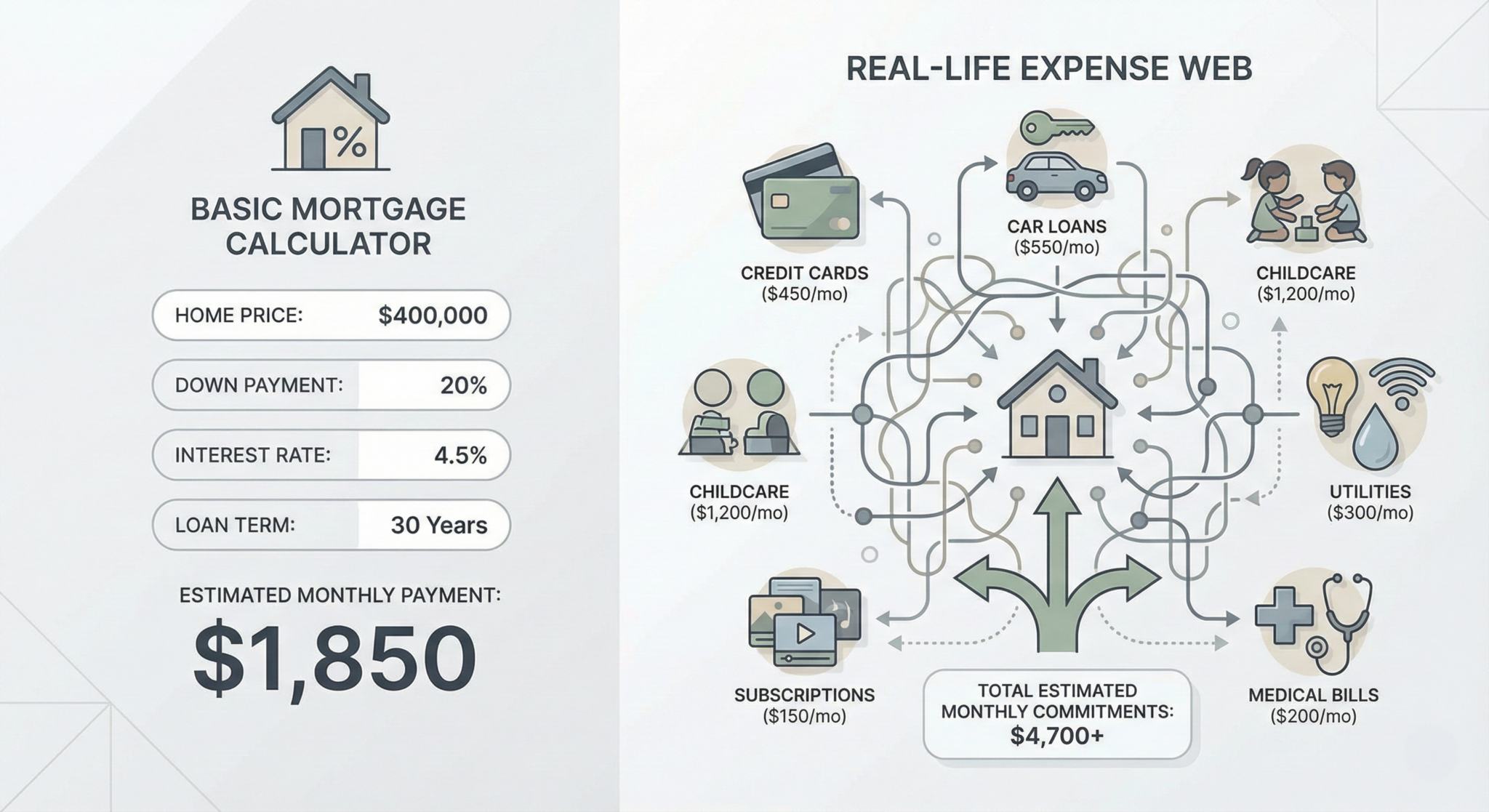
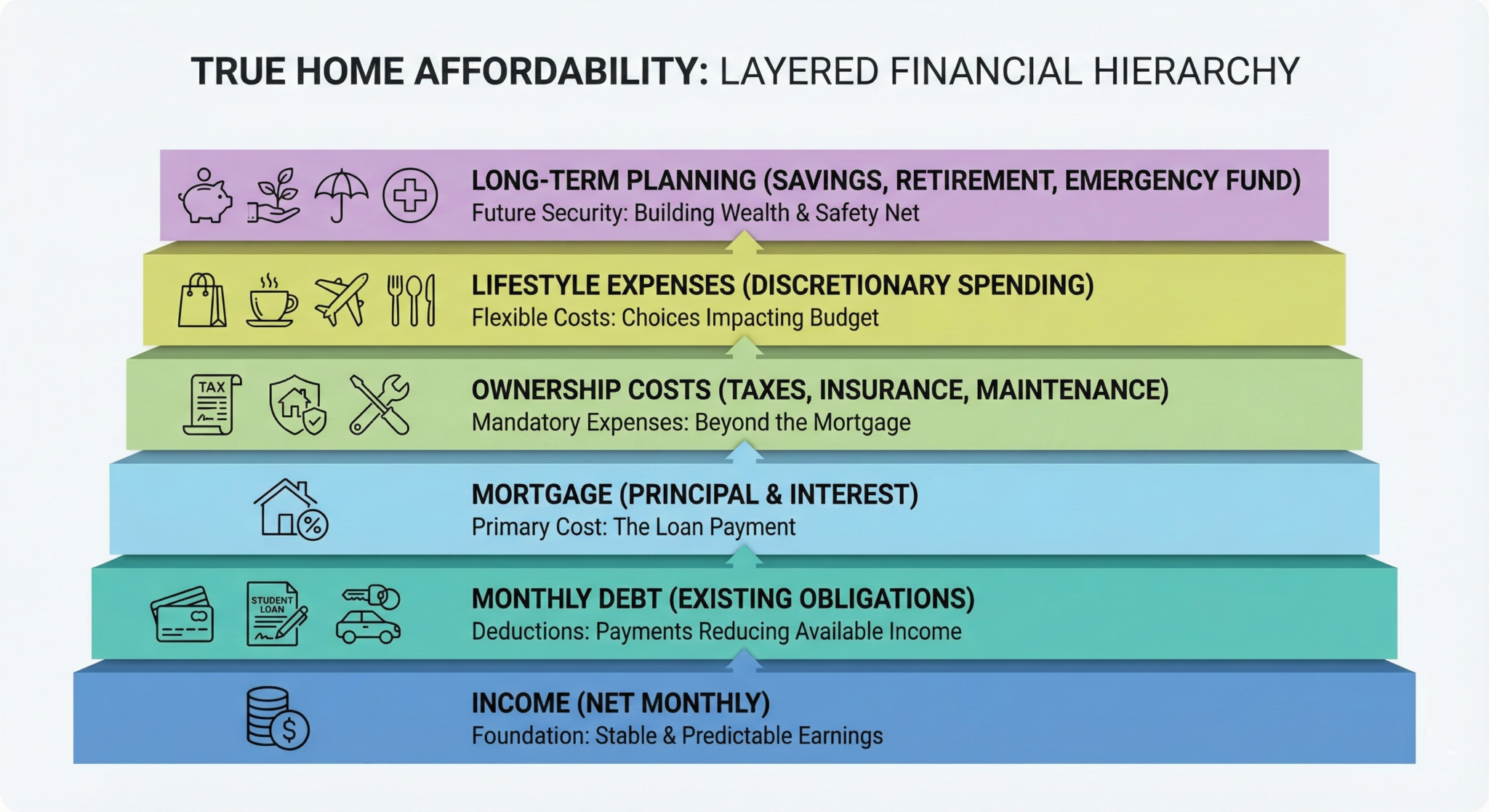
The number a lender approves you for and the number that fits your life are not the same thing. Lenders evaluate DTI, credit, and income. They do not factor in your childcare costs, your savings goals, or the relief you feel when you have a financial cushion.
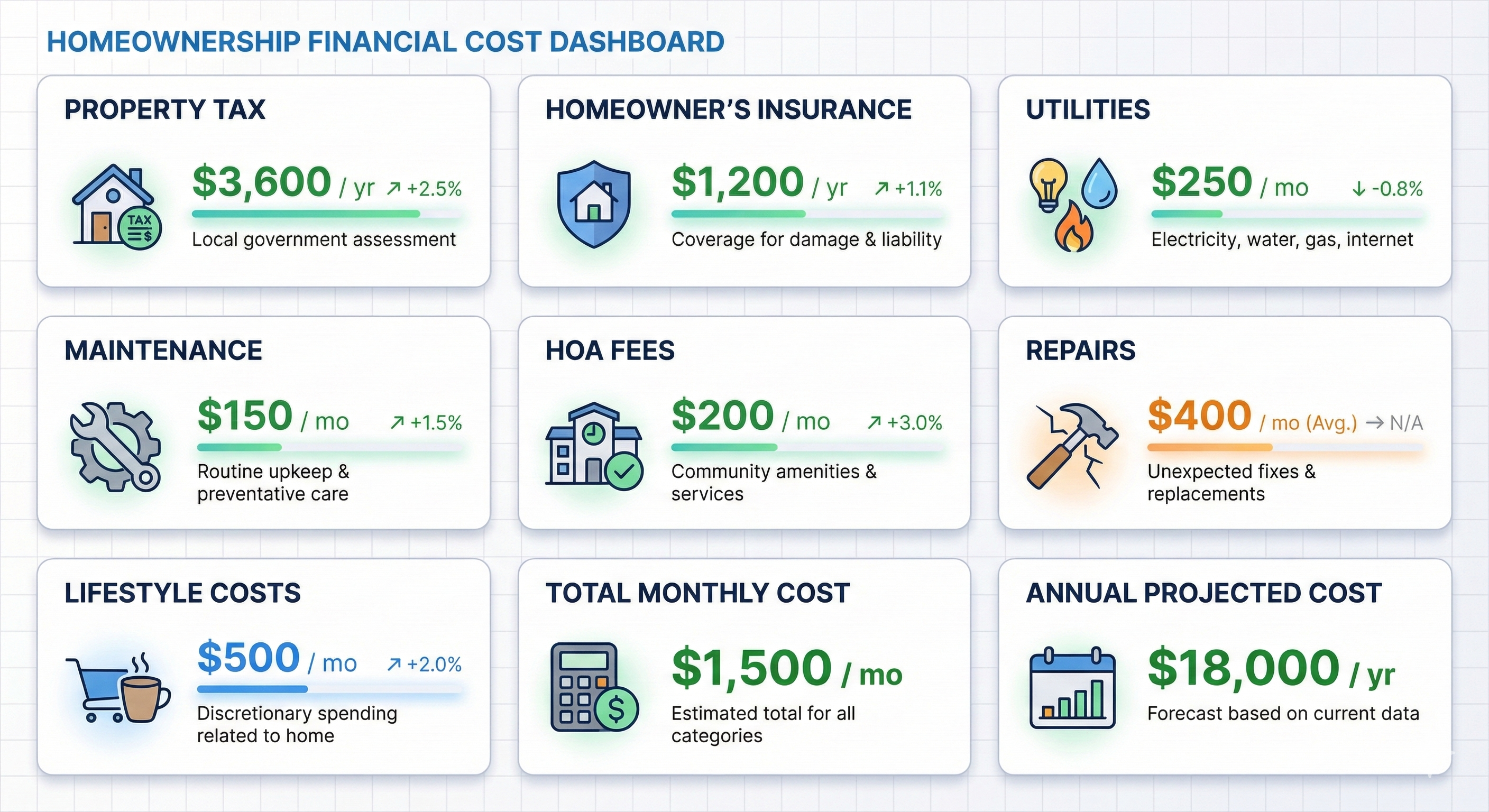
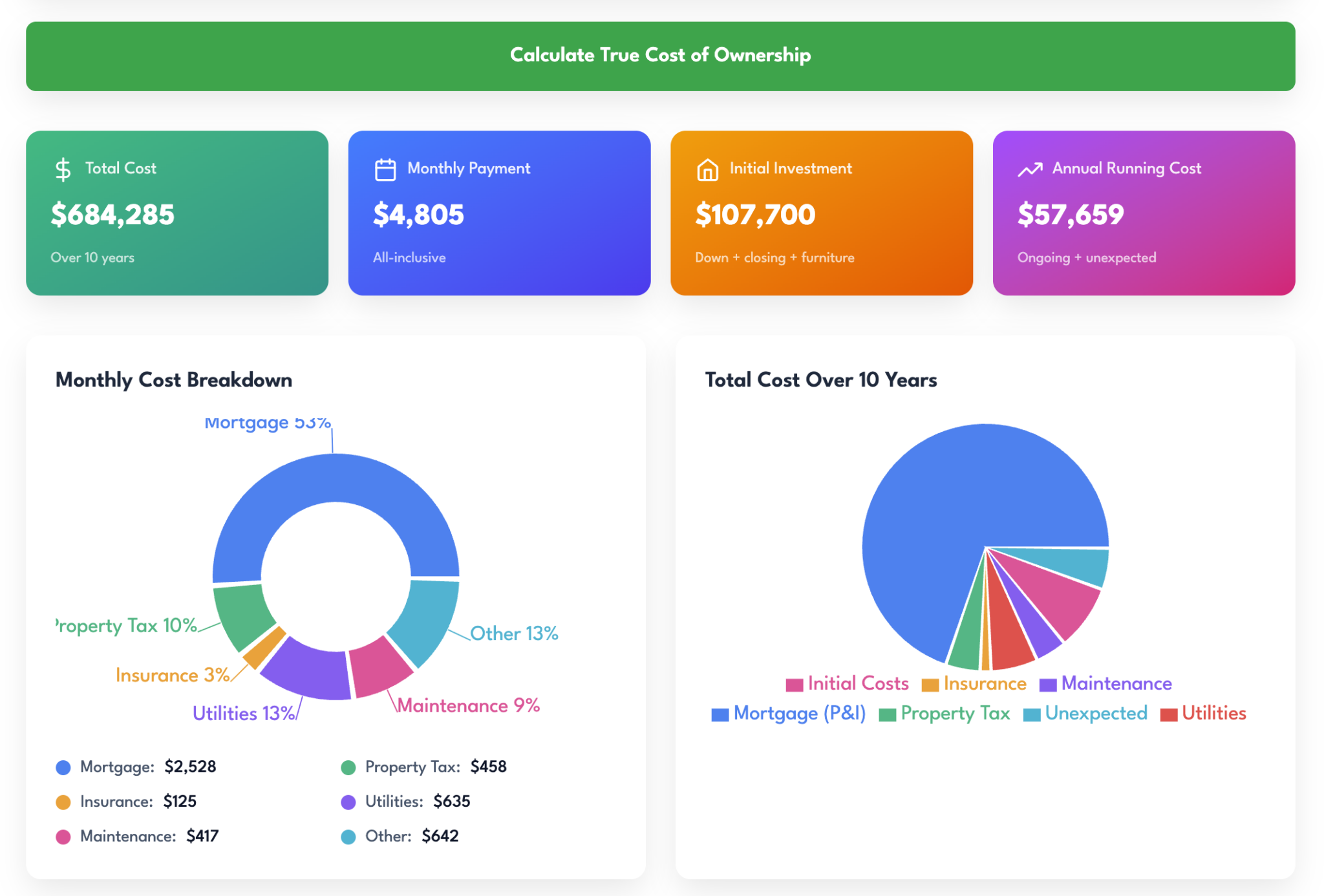
In California, a realistic affordability calculation should include:
- Principal and interest on the mortgage
- Property taxes (which vary by county and can include Mello-Roos special assessments in newer developments)
- Homeowners insurance (including possible California FAIR Plan coverage for some properties)
- Private mortgage insurance (PMI) if your down payment is under 20%
- HOA dues where applicable
- A monthly reserve for maintenance and repairs
Use a home affordability calculator to model different purchase prices against your real monthly budget, not just the lender maximum.
Cash to close vs monthly payment: why first-time buyers confuse them
Monthly payment and cash to close are two separate problems. Many buyers focus on the payment and arrive at closing underprepared for the lump sum due that day.

Cash to close typically includes:
- Down payment
- Closing costs (lender fees, title, escrow, appraisal, and more)
- Prepaids (homeowners insurance, prepaid interest, and initial property tax deposits into escrow)
- Inspection fees paid before close
Closing costs for buyers in California vary by purchase price, loan type, lender, title company, and county. Because no official statewide benchmark exists from a regulator, treat published percentage ranges with caution and use your Loan Estimate as the definitive source for your specific transaction.
Step 1: Set your budget and monthly payment target
Before shopping, define a monthly payment range you would be comfortable with for the next several years, not just today. Use your actual take-home income, not gross income, as your reference point.
| Payment component | What it covers | Where variation comes from |
|---|---|---|
| Principal and interest | Loan repayment | Rate, loan amount, term |
| Property taxes | County tax + any Mello-Roos | County, city, and district |
| Homeowners insurance | Structure and liability | Insurer, location, coverage |
| PMI | Lender protection below 20% down | Loan-to-value, credit score |
| HOA dues | Shared building or community costs | HOA, property type |
Add all five components together. That is the full PITI-plus-HOA figure that represents your true monthly ownership cost.
Use a realistic affordability number, not the maximum a lender might approve
Lenders approve based on qualifying ratios. They are not measuring your comfort level or your other financial priorities. A buyer approved for a $750,000 purchase may feel significantly stretched at that price once taxes, insurance, and HOA are added.
Run your own number first. If the honest monthly total feels tight, adjust the purchase price down before you fall in love with a home that does not fit. A home affordability calculator can help you model multiple scenarios side by side. The CFPB also offers guidance on comparing lender costs using the Loan Estimate as a structured starting point.
Keep a reserve fund after down payment and closing costs
After committing your down payment and closing costs, having very little left is a real risk. Most lenders will check that reserves exist at close, and beyond the lender requirement, an empty savings account after move-in creates financial stress quickly.
New owners often face immediate costs: a broken appliance, a roof repair flagged during inspection, or utility deposits. A reserve cushion, even a modest one, makes those moments manageable rather than urgent. No hard rule exists that applies to every situation, but the goal is to avoid arriving at the close of escrow with your savings account at zero.
Step 2: Understand the true cost of buying a home in California
California buyer closing costs are made up of several distinct categories. Because costs vary by purchase price, loan program, lender, title company, and county, the most accurate number will always come from your actual Loan Estimate. The table below gives a category-level breakdown to help you understand what each item is and when it is paid.
Typical buyer closing costs in California
| Cost item | When paid | What affects it | Where to verify |
|---|---|---|---|
| Loan origination fee | At close | Lender, loan type | Loan Estimate, Section A |
| Appraisal fee | Before or at close | Property type, location | Loan Estimate, Section B |
| Title insurance (lender's) | At close | Purchase price, title company | Loan Estimate, Section C |
| Owner's title insurance | At close (optional) | Purchase price | Discuss with escrow officer |
| Escrow/settlement fee | At close | Escrow company, county | Loan Estimate, Section C |
| Prepaid interest | At close | Loan amount, rate, closing date | Loan Estimate, Section F |
| Homeowners insurance (first year) | Before or at close | Insurer, coverage amount | Get quotes early |
| Property tax deposits | At close | County tax rate, close date | Loan Estimate, Section G |
| Inspection fees | Before offer or during escrow | Inspector, property type | Paid directly to inspector |
The California Department of Real Estate recommends that buyers plan for costs beyond the mortgage payment, including escrow and title fees that are standard in California transactions.
What seller credits and concessions can and cannot do
Seller credits, formally called interested party contributions (IPCs), can help buyers cover closing costs and prepaids. They cannot, however, replace the down payment or meet reserve requirements under standard Fannie Mae guidelines. Rules also differ across FHA, VA, and USDA loan programs, so always confirm limits with your lender for your specific loan type.
What seller credits can typically do:
- Cover lender fees, title, escrow, and prepaid costs within IPC limits
- Reduce the cash you need to bring to close
- Make a higher-priced offer more manageable if cash to close is the constraint
What seller credits cannot typically do:
- Replace the down payment on a conventional loan
- Exceed lender or program-specific contribution caps
- Be structured in ways that inflate the purchase price without disclosure
Use ficustree's seller concession and credit calculator to model different seller credit scenarios before submitting an offer.
California costs buyers often miss
Beyond the standard closing items, several costs tend to catch first-time buyers off guard:
- Homeowners insurance friction: Some California properties in higher-risk areas face limited options in the standard insurance market. The California FAIR Plan is a last-resort option but offers limited coverage. Buyers may also need a Difference in Conditions (DIC) policy for fuller protection. Shop for insurance early, not the week before close.
- HOA dues and special assessments: Monthly HOA dues plus any pending special assessments can add meaningfully to total housing cost.
- Mello-Roos: Some California communities, particularly newer developments, carry Community Facilities District (Mello-Roos) taxes that appear as a separate line on property tax bills. Check before offering.
- Moving costs and immediate repairs: Budget for move-in costs and any repairs identified during inspection that are not addressed by the seller.
- Utility setup: Deposits or setup fees for utilities, particularly in new-to-buyer accounts, can add several hundred dollars.

Step 3: Get pre-approved and compare lenders the right way
Pre-approval is not just a formality. It tells sellers you are serious, it clarifies your actual buying range, and it gives you a structured basis for comparing lenders before you commit to one.
Pre-qualification is usually a quick estimate based on self-reported information. Pre-approval involves a verified review of your income, assets, and credit. The difference matters when you are competing for homes.
After applying with multiple lenders, the CFPB requires each to provide a Loan Estimate within three business days. Use those documents to compare apples to apples.
What to compare on a Loan Estimate
| Category | Why it matters | Where to find it | Red flag to investigate |
|---|---|---|---|
| Interest rate and APR | APR reflects full cost of borrowing | Page 1 | Wide gap between rate and APR suggests high fees |
| Origination charges | Lender fees on the loan | Section A | Large origination fee may mean lower rate is not actually better |
| Points and lender credits | Prepaid interest vs fee reduction | Section A | Compare with and without points scenarios |
| Total closing costs | Combined settlement costs | Page 2 total | Compare across all lenders on the same day |
| Cash to close | Total funds needed at close | Page 3 | Factor this into your final lender decision |
| Monthly payment estimate | PITI with insurance and taxes | Page 1 | Confirm taxes and insurance match your research |

California first-time buyer assistance programs to ask about
The California Housing Finance Agency (CalHFA) offers programs that may assist with down payment and closing costs, subject to income, purchase price, and eligibility requirements. Programs are accessed through CalHFA-approved lenders, not directly from CalHFA.
Programs worth asking a CalHFA-approved lender about include:
- MyHome Assistance Program: A deferred-payment junior loan of up to 3% (conventional) or 3.5% (FHA) of the purchase price or appraised value to help with down payment or closing costs, per the official CalHFA MyHome program page.
- California Dream For All: A shared appreciation loan offering up to 20% of purchase price (not to exceed $150,000) for eligible first-generation buyers. As of mid-2026, the portal operates on a voucher and drawing basis; check current status at CalHFA.ca.gov before relying on this program.
- CalHFA ZIP: A zero-interest deferred loan to help cover closing costs when paired with a CalPLUS first mortgage.
Eligibility varies by program, income level, county, and lender participation. Completing a CalHFA-required homebuyer education course is a standard requirement across programs. Confirm current availability and terms with a participating lender before making financial plans based on any program.
Step 4: Search for homes based on lifestyle, location, and total cost
Once pre-approved, the temptation is to jump straight to bedroom counts and square footage. Those are easy to measure but they often predict satisfaction less accurately than commute time, walkability, school quality (even for buyers without children, for resale reasons), and HOA friction.
ficustree's buyer-first platform is built around this idea: that lifestyle and location fit matter as much as the listing itself. The platform matches buyers to homes based on priorities beyond filters, helping organize comparisons around the factors that drive long-term satisfaction.
What matters more than square footage for many first-time buyers
First-time buyers often report that the things they underweighted at purchase become the things they notice most in daily life:
- Commute time and transportation: An extra 30 minutes each way is 200-plus hours a year.
- Neighborhood feel and walkability: Access to groceries, parks, and services changes daily quality of life.
- School ratings: Relevant for resale even when children are not in the picture yet.
- Insurance availability: In some California areas, finding affordable homeowners insurance is genuinely difficult. Knowing this before offering prevents late surprises.
- HOA rules and culture: Some buyers thrive in managed communities; others find restrictions a source of ongoing friction.
How to narrow your search without getting overwhelmed
A short framework that works:
- Write down your three non-negotiable must-haves (not ten).
- Identify two or three neighborhoods within your pre-approved budget.
- Calculate the full monthly ownership cost for each shortlisted neighborhood, including taxes, insurance estimates, and any HOA.
- Flag any HOA or Mello-Roos figures that push the total monthly cost above your comfort range.
- Track notes and comparisons in one place so your memory does not do all the work across fifteen showings.
Step 5: Review disclosures and inspection findings before you commit
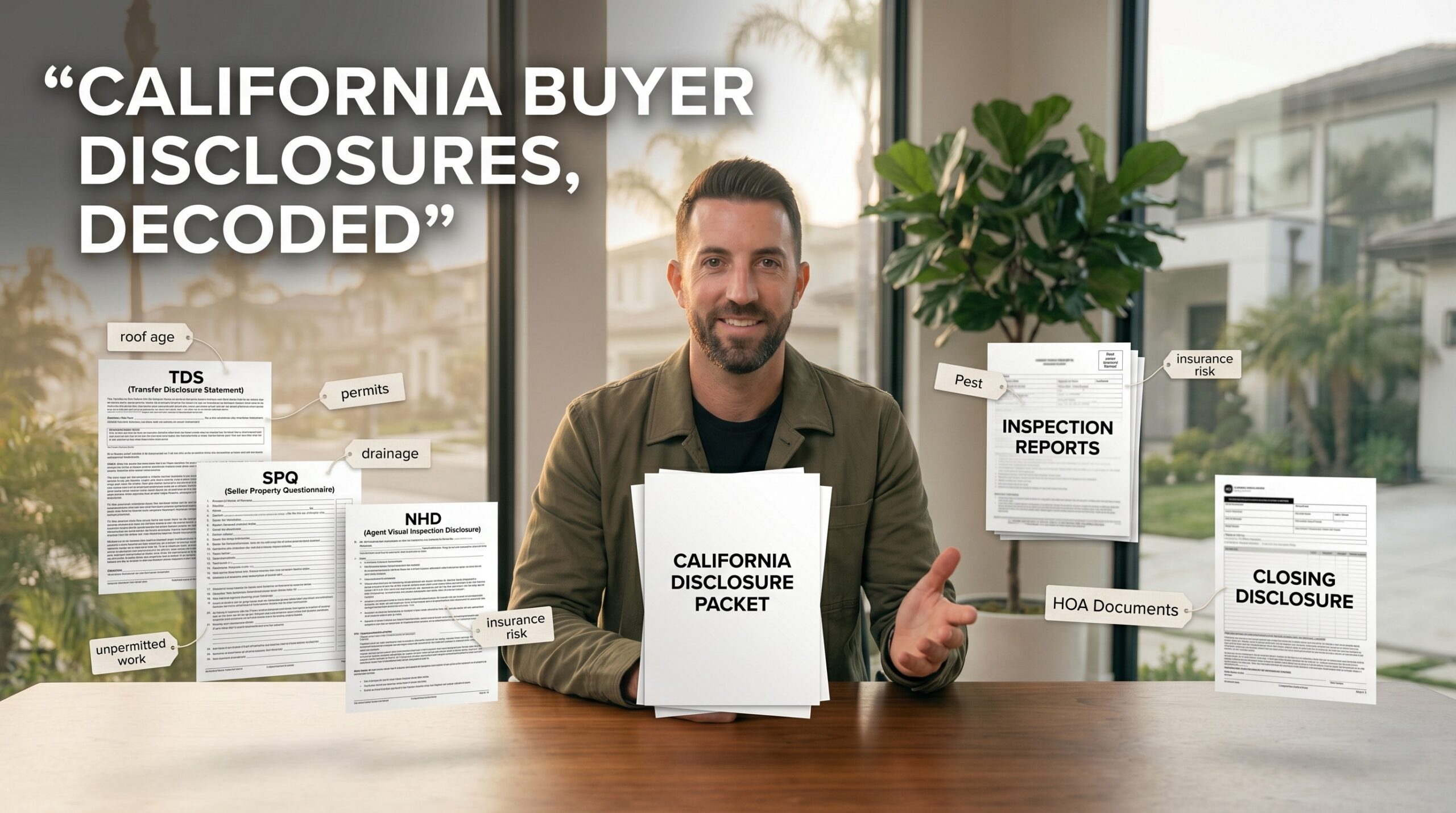
California has one of the most disclosure-intensive home purchase processes in the country. Buyers receive a package of seller disclosures, agency relationship forms, and property-specific reports that deserve the same attention as the home tour itself.

The California Department of Real Estate advises buyers to carefully review disclosures, contingencies, and the risks around deposits. Reading the full disclosure package before removing your inspection contingency is not optional risk management, it is standard practice for informed buyers.
What disclosures should California buyers expect?
California buyers should expect to receive, among others:
- Transfer Disclosure Statement (TDS): The primary seller disclosure document required in most California residential transactions. Per the California DRE, the TDS requires sellers to disclose known material facts about the property's condition.
- Natural Hazard Disclosure (NHD): Covers flood zones, fire hazard zones, earthquake fault zones, and similar designations.
- Agency Disclosure: Explains the legal relationships between agents and the parties they represent.
- Preliminary Title Report: Identifies liens, easements, or encumbrances on the property.
- HOA documents (where applicable): CC&Rs, bylaws, budget, and reserve study.
This is not a complete legal checklist. Disclosures vary by transaction, property type, and local requirements. Review each document carefully and ask your agent or an attorney if anything is unclear. This guide is educational and does not constitute legal advice.
An appraisal does not replace a home inspection
An appraisal is ordered by the lender to estimate the property's market value and protect the lender's interest in the collateral. It is not designed to identify condition defects, plumbing issues, roof problems, or structural concerns. HUD guidance is clear that home inspection is a separate recommended step. A qualified home inspector examines the property's condition on the buyer's behalf. Do not skip the inspection because the appraisal came back clean.
Step 6: Make a competitive offer without taking unnecessary risk
A strong offer is not only about the highest price. In many California markets, terms, timing, deposit size, and contingency structure also influence seller decisions. A buyer who closes reliably at the agreed price is often more attractive than the highest bidder with a weak financial picture.
Before submitting, confirm your pre-approval reflects the actual purchase price, understand what earnest money deposit amount is typical in the local market, and decide which contingencies you need to protect yourself.
Which contingencies protect first-time buyers most?
Contingencies are contractual protections that allow a buyer to exit a purchase without losing their deposit under defined conditions. For first-time buyers, the most important ones typically include:
- Financing contingency: Protects you if the lender does not approve the final loan. Critical for almost all financed purchases.
- Inspection contingency: Allows you to review inspection findings and request repairs, credits, or exit. In competitive markets some buyers waive this, but that transfers significant risk to the buyer.
- Appraisal contingency: Protects you if the appraised value comes in below the purchase price. Important for financed buyers who cannot or do not want to cover a value gap out of pocket.
Contingency decisions depend on the property, your loan, and the local market. Discuss tradeoffs with your agent before removing any contingency.
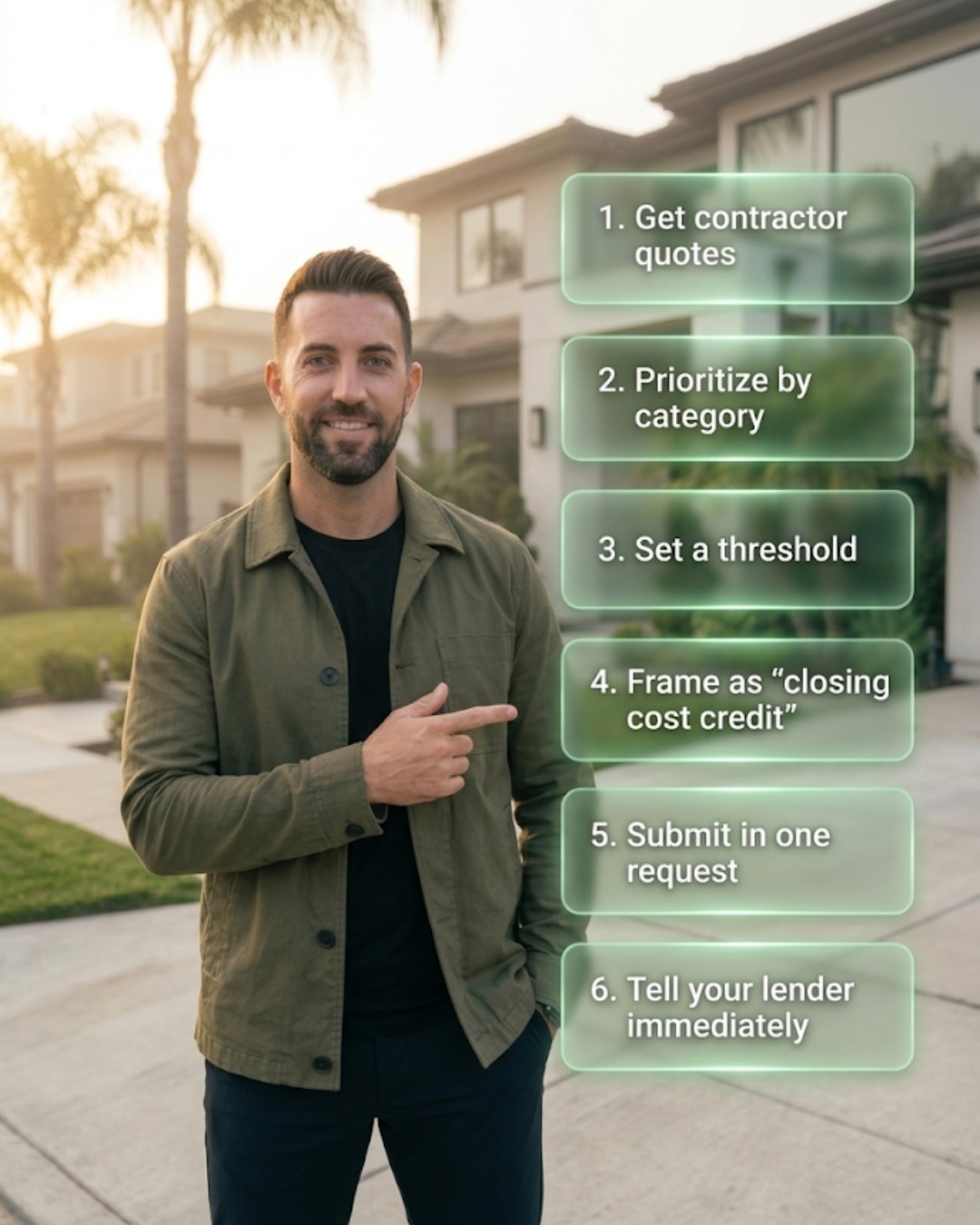
When to ask for seller credits instead of a price reduction
Seller credits and price reductions both reduce your out-of-pocket commitment, but they work differently:
- Seller credits help more when you are cash-constrained at close. Credits reduce the cash you need to bring to closing day, which can matter more than a slightly lower loan balance in the short term. Use ficustree's seller concession and credit calculator to estimate the impact before negotiating.
- Price reductions help more when your monthly payment is the primary concern and cash at close is not the binding constraint. A lower purchase price reduces your loan amount and the resulting monthly cost permanently.
- Combination scenarios exist: some buyers negotiate a slightly lower price and a modest seller credit when both monthly cost and cash to close are tight.
Note that seller credits on conventional loans cannot exceed Fannie Mae's IPC limits, which vary based on down payment percentage and loan type. Confirm the applicable cap with your lender before requesting a specific credit amount.
Step 7: What happens after your offer is accepted in California
After the seller accepts your offer, you enter escrow. The typical California purchase escrow runs 30 to 45 days, though timelines vary by transaction complexity, lender, and county. Here is what happens in sequence:
- Escrow opened: An escrow company (or in some Northern California transactions, a title company handling escrow) acts as a neutral third party, per the California Department of Real Estate. They hold deposits, coordinate documents, and manage fund disbursement.
- Earnest money deposited: Your initial deposit goes into escrow, typically within three days of acceptance.
- Inspections completed: Order your home inspection promptly. Results inform your contingency decisions.
- Appraisal ordered by lender: The lender orders an appraisal to confirm value. Results affect your financing contingency.
- Disclosure review: Read the full disclosure package. Ask questions before removing contingencies.
- Loan underwriting: Your lender underwrites the final loan. Avoid major financial changes (new credit, large purchases, job changes) during this period.
- Homeowners insurance bound: Lenders require proof of insurance before funding. In California, start shopping early, particularly for properties in fire-prone or high-risk areas. The California Department of Insurance provides guidance on the standard market and the FAIR Plan for buyers who face difficulty finding coverage.
- Closing Disclosure received: Per the CFPB, you must receive a Closing Disclosure at least three business days before signing. Compare it carefully against your Loan Estimate.
- Final walkthrough: Typically done 24 hours before close to confirm property condition.
- Signing and funding: You sign loan documents, wire closing funds, and the lender releases funds to escrow.
- Recording: The county recorder records the deed. At that point, you own the home.
What escrow does in a California home purchase
Escrow is a neutral holding process, not an advocacy role. The escrow officer does not work for the buyer or seller. They receive and hold funds and documents, prepare instructions reflecting the agreed terms, coordinate payoffs and title insurance, and ensure that all conditions are met before funds are released and the deed is recorded.
In Northern California, a title company often handles both title insurance and escrow functions. In Southern California, independent escrow companies more commonly handle the escrow side while a separate title insurer handles title. This regional difference is worth knowing when you see closing cost line items.
What to review before signing your closing documents
- Compare your Closing Disclosure line-by-line against your original Loan Estimate. The CFPB Closing Disclosure guide explains which fees can change and by how much.
- Confirm the interest rate, loan term, and monthly payment match what you agreed to.
- Check cash to close matches what you were told to wire. Do not wire funds based on email instructions without verifying by phone with your escrow officer.
- Review the proration credits and any seller credits you negotiated.
- Ask about any fees that appear on the Closing Disclosure but not on the Loan Estimate.
Step 8: Common first-time home buyer mistakes in California
These are the errors that most consistently derail California first-time buyers or lead to post-purchase regret:
- Underestimating cash to close: Planning around the down payment alone without accounting for closing costs, prepaids, inspection fees, and reserves.
- Shopping for homes before getting pre-approved: Falling in love with a home before understanding the financing picture.
- Skipping or rushing through disclosures: The disclosure package exists for a reason. Reading it carefully before removing contingencies is non-negotiable.
- Ignoring homeowners insurance availability early: Some California properties are difficult to insure at standard market rates. Discovering this at the last minute can delay or kill a transaction.
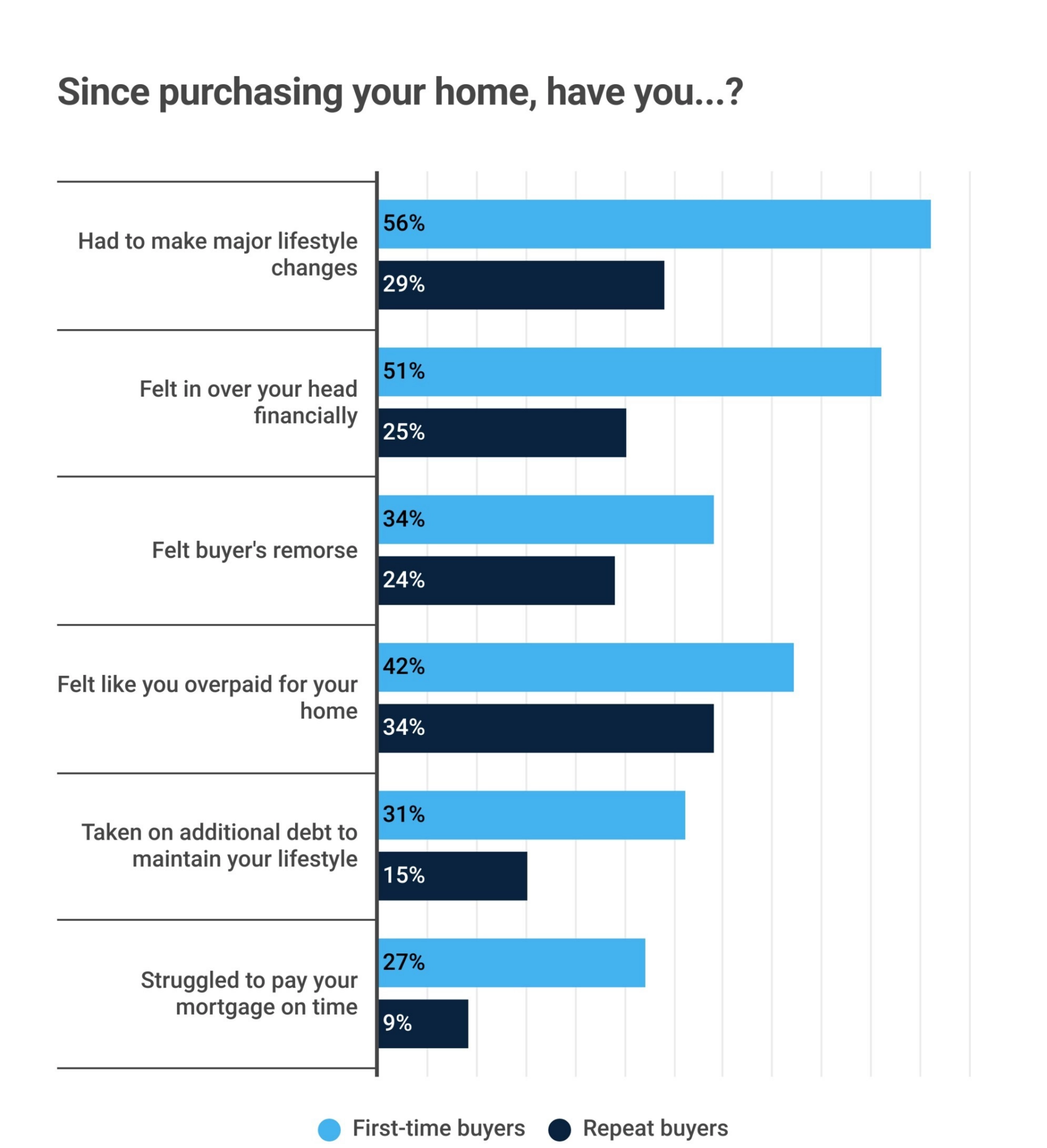
- Maxing out the lender-approved budget: Buying at the absolute top of approval leaves no cushion for rate changes, unexpected costs, or life changes.
- Changing finances before closing: New credit accounts, large purchases, or income changes during underwriting can affect loan approval at the worst possible time.
- Not comparing multiple lenders: A half-point difference in rate on a California-priced loan represents tens of thousands of dollars over the loan term. The CFPB notes that the Loan Estimate is designed specifically to help buyers compare offers across lenders.
How ficustree can help California first-time buyers stay organized
Disclosure: ficustree publishes this article and offers tools and services mentioned here. Pricing and feature details were checked in July 2026 and should be confirmed before use.

ficustree is an AI-guided home buying platform focused on California buyers. It is designed to help buyers move through the home search, comparison, and transaction process with more clarity and less chaos. The about ficustree page describes the platform's founding mission: closing the gap between browsing homes and feeling confident enough to buy.
Confirmed capabilities as of July 2026 include:
- Lifestyle-based home matching: Recommendations based on priorities and lifestyle fit, not just filters.
- Side-by-side home comparison: Compare shortlisted homes on value, condition, cost, and neighborhood context.
- Affordability and mortgage tools: Built-in home affordability calculator and mortgage calculator to model costs before and during search.
- Seller concession and credit calculator: Model different seller credit scenarios to inform offer strategy.
- Disclosure support: AI-assisted review to help buyers understand what is in the disclosure package.
- Lender and inspector suggestions: Connections to professionals aligned with your goals and timeline.
- Tour and follow-up organization: Keep notes, tours, and next steps in one place.
When ficustree may be a strong fit
- You are a first-time California buyer who wants a structured, guided process with tools built around your decision points.
- You want help comparing homes on total cost and lifestyle fit, not just listing price and square footage.
- You want to model affordability, monthly payments, and seller credit scenarios yourself before talking to anyone.
- You prefer an organized workflow over managing spreadsheets, emails, and callbacks across multiple apps.
When ficustree may not be the right fit
- You prefer a fully traditional agent-led process from day one and want minimal digital workflow involvement.
- You are purchasing outside California, as ficustree is currently California-focused.
- You have a highly complex transaction (estate, major renovation, commercial-residential hybrid) that requires specialist transaction management beyond what a guided platform provides.
FAQ
How much money do I need to buy my first home in California?
The total cash needed depends on your down payment, closing costs, prepaids, inspection fees, and post-close reserves. On a conventional loan, a 3% to 5% down payment is possible for first-time buyers, but closing costs and prepaids add several thousand dollars on top. Your Loan Estimate gives you the most accurate cash-to-close figure for your specific transaction.
What are buyer closing costs in California?
Buyer closing costs in California typically include lender origination fees, appraisal, title insurance, escrow or settlement fees, prepaid interest, homeowners insurance, and property tax deposits. Because these costs vary by lender, loan type, title company, and county, use your Loan Estimate as the definitive source rather than a percentage estimate.
How is pre-approval different from pre-qualification?
Pre-qualification is a quick estimate based on information you provide. Pre-approval involves a verified review of your income, assets, credit, and debts. Sellers and their agents generally treat pre-approval as a more reliable signal that financing is achievable.
What disclosures should I read before buying a house in California?
At minimum, review the Transfer Disclosure Statement (TDS), Natural Hazard Disclosure (NHD), Agency Disclosure, and Preliminary Title Report. HOA documents, if applicable, are also important. These documents contain material facts about the property and your legal relationships in the transaction.
Does an appraisal replace a home inspection?
No. An appraisal estimates market value for the lender's benefit. A home inspection examines the property's condition for the buyer's benefit. HUD guidance confirms these are separate steps with different purposes. Never skip an inspection because an appraisal was completed.
Can seller credits cover my closing costs?
Yes, seller credits can cover closing costs and prepaids up to program and lender limits. Under standard Fannie Mae guidelines, seller credits (interested party contributions) cannot be used for the down payment or to meet reserve requirements on conventional loans. Limits vary by loan type, so confirm the cap with your lender.
What happens during escrow in California?
Escrow is managed by a neutral third party who holds deposits and documents, coordinates the appraisal, title search, and insurance verification, and ensures all contract conditions are satisfied before releasing funds and recording the deed. A typical California escrow runs 30 to 45 days from accepted offer to recording.
Are there California first-time buyer assistance programs?
Yes. The California Housing Finance Agency (CalHFA) offers the MyHome Assistance Program (a deferred-payment junior loan for down payment or closing costs) and the California Dream For All shared appreciation loan, subject to eligibility and funding availability. Access CalHFA programs through a CalHFA-approved lender, not directly through the agency.
How long does it take to close on a house in California?
A typical California purchase transaction closes in 30 to 45 days from accepted offer, though cash purchases can close faster and complex transactions may take longer. Timeline depends on lender, escrow, inspection scheduling, and any contingency resolution required.
Should I shop for homeowners insurance before my offer is accepted?
Yes, particularly in California. Some properties in fire-prone or high-risk areas face limited options in the standard insurance market. Shopping early helps you understand coverage availability and cost before committing to a purchase. The California Department of Insurance provides information on the FAIR Plan for buyers who cannot obtain standard coverage.
Your next steps as a first-time California home buyer
Here is a practical sequence to move forward:
- This week: Define a realistic monthly budget and estimate your cash-to-close range using the ficustree home buying platform affordability tools.
- Before touring: Get pre-approved with at least two lenders and compare their Loan Estimates side by side.
- Before offering: Review disclosures carefully, confirm insurance availability for the property, and use the seller concession calculator to model any credit request.
- Before closing: Compare your Closing Disclosure against your original Loan Estimate line by line, confirm wiring instructions directly with your escrow officer, and complete your final walkthrough.
The first-time home buying process in California is manageable when you know what decisions come in which order and what to verify at each step. Take it one checkpoint at a time, and you will arrive at close with confidence rather than uncertainty.