A home warranty is a service contract that pays for repairs or replacements when major systems and appliances break down from normal wear and tear. Homeowners insurance is a policy that covers sudden, unexpected losses, like fire, theft, or storm damage, plus liability if someone gets hurt on your property. Most mortgage lenders require homeowners insurance before they’ll close your loan. A warranty is optional, and whether it’s worth adding depends on your home’s age, your budget, and how much risk you’re comfortable carrying yourself.
TL;DR:
- Home warranties cover aging appliances and systems with fixed service fees, but often exclude pre-existing conditions and have payout caps.
- Homeowners insurance is mandatory through lenders and protects against sudden, external events like fires or storms, with higher annual premiums than warranties.
- A warranty is more valuable for older homes with outdated systems, while insurance coverage is essential for catastrophic loss protection.
- Inspecting the age and condition of major systems helps determine if a warranty adds value, especially if systems are out of warranty or costly to replace.
- Carefully review contract exclusions, payout limits, and dispute procedures before purchasing either product, as fine print can undermine coverage.
Table of Contents
- Home Warranty vs Insurance: Scope, Triggers, Costs, and Claims
- What Does a Home Warranty Actually Cover?
- What Does Homeowners Insurance Actually Cover?
- How Do You Decide Whether You Need a Home Warranty?
- Reading the Fine Print Without Losing Your Mind
- Ficustree’s View: What First-Time Buyers Should Prioritize
- How Ficustree Helps You Get This Right Before Closing
- Sources
- FAQ
Home Warranty vs Insurance: Scope, Triggers, Costs, and Claims
The fastest way to tell these two apart is to ask what breaks the coverage loose. A warranty pays out when something simply wears down over time, like a 12-year-old water heater finally giving up. Insurance pays out when something happens to you, like a pipe bursting overnight or a tree crashing through your roof in a windstorm.
Here’s how the two stack up on the details that actually change your decision:
- Scope of coverage: Warranties cover named appliances and systems (HVAC, water heater, dishwasher). Insurance covers the structure itself, your belongings, and your legal liability.
- What triggers a claim: Warranties respond to mechanical failure from age and normal use. Insurance responds to sudden, accidental, or covered peril events like fire or hail.
- Cost structure: Warranty plans run on annual premiums plus a service-call fee each time you request a repair. Insurance charges an annual premium with a deductible you pay only when you file a claim.
- Claims process: With a warranty, you call the provider, they dispatch a contracted technician, and repairs typically happen within a few days to a couple of weeks depending on parts availability. With insurance, an adjuster inspects the damage first, and payout timing depends heavily on claim complexity.
- Required by lender: Insurance, yes, almost universally. A warranty, no lender asks for one.
Picture two scenarios side by side. Your 15-year-old furnace stops heating the house in January. That’s textbook warranty territory: gradual wear, no external cause, exactly what a service contract exists for. Now picture a windstorm that rips shingles off your roof and lets water into the attic. That’s an insurance claim: sudden, external, and tied to a specific covered event with a date and cause.
Insurance premiums tend to run higher annually than warranty premiums, but the average cost comparison varies a lot by location, home size, and coverage level. The real difference isn’t just price. It’s what each dollar is protecting you against.
What Does a Home Warranty Actually Cover?
A typical warranty contract bundles coverage for your major mechanical systems and kitchen appliances into one annual plan. That usually means:
- HVAC systems (furnace, AC unit, ductwork)
- Plumbing systems and water heaters
- Electrical systems and wiring
- Kitchen appliances like dishwashers, ovens, and garbage disposals
- Optional add-ons for pools, septic systems, or home electronics, sold separately in most plans
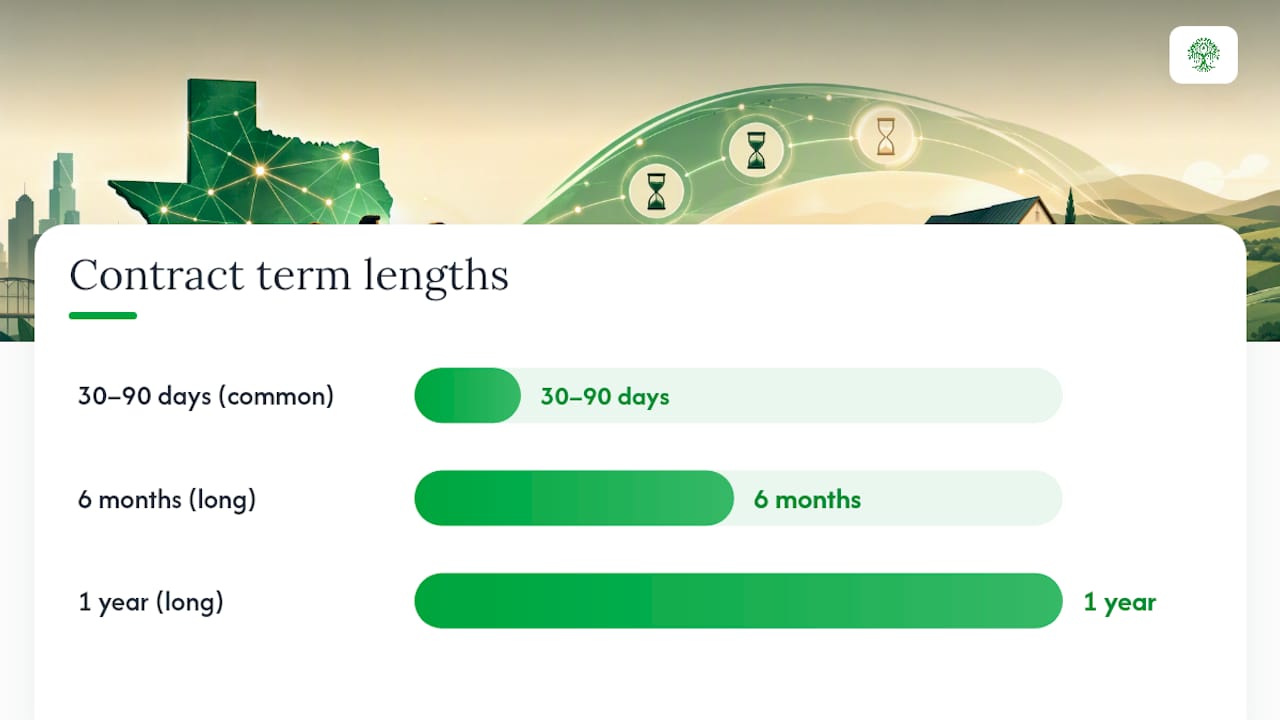
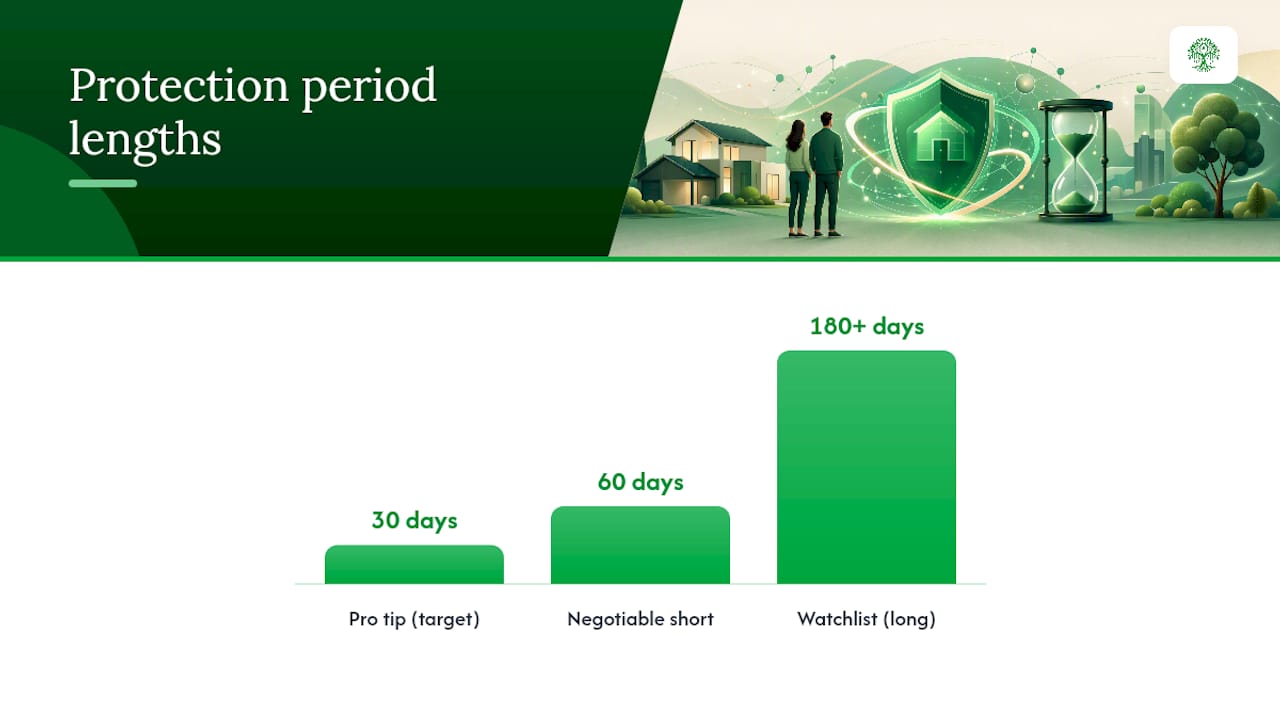
Every claim runs through a service-call fee, typically $65 to $200 per visit, even if the repair itself is minor. Plans also carry per-item payout caps and an annual maximum, so a catastrophic multi-system failure in one year could still leave you paying out of pocket. Most contracts also include a 30-day waiting period after you sign, so a system that fails in week two of ownership won’t be covered.
The exclusions matter more than the coverage list. Warranty companies routinely deny claims tied to pre-existing conditions, poor maintenance history, cosmetic damage, or the cost of bringing an old system up to current building code. The Federal Trade Commission specifically warns buyers to read the pre-existing-condition language before signing, since that clause is where most disputes start.
Pro Tip: Before you sign a warranty contract, ask the provider directly how they define “pre-existing condition” and request their claim denial rate if they’ll share it. A vague answer is a red flag worth walking away from.
What Does Homeowners Insurance Actually Cover?
Homeowners insurance is built around four core protections: dwelling coverage for the structure itself, other structures like a fence or detached garage, personal property for your belongings, and liability if a guest gets injured on your property. Most policies also include additional living expense coverage, which pays for a hotel or temporary rental if your home becomes unlivable after a covered loss.
Here’s where the gaps show up:
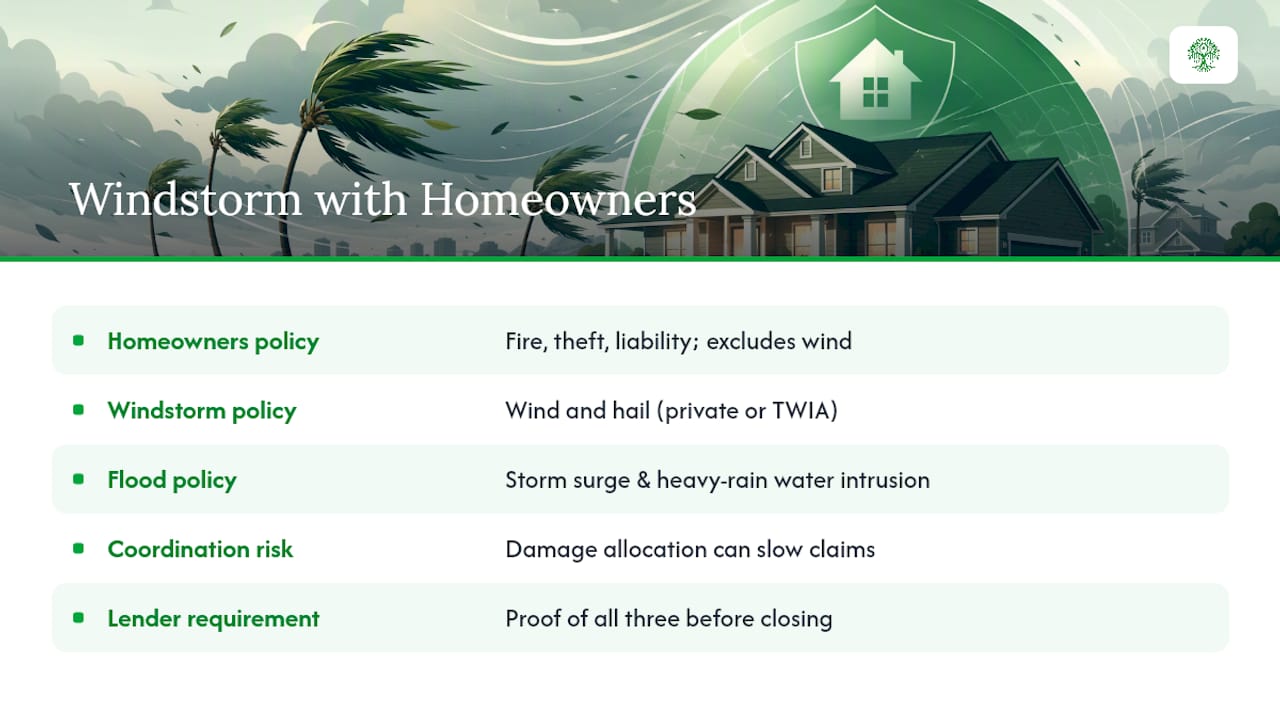
- Flood damage is almost never included in a standard policy and requires a separate policy, often through the National Flood Insurance Program.
- Earthquake damage is typically excluded too, especially relevant if you’re buying in California, and needs its own rider or standalone policy.
- Deductibles apply per claim, meaning you pay a set amount before the insurer covers the rest, unlike a warranty’s flat service fee.
- Sewer backup and certain water damage types are frequently excluded unless you add specific endorsements.
Major claims, like fire or storm damage, involve an adjuster visit, a damage estimate, and a settlement process that can stretch from a few weeks to several months depending on severity. Mortgage lenders require homeowners insurance because the house is their collateral. If it burns down and you have no insurance to rebuild it, the lender’s investment disappears with it. That’s why insurance shows up on every closing disclosure, and a warranty never does.
How Do You Decide Whether You Need a Home Warranty?
Run through this before you sign anything:
- Inspect the age and condition of major systems. Pull the inspection report and note the age of the HVAC unit, water heater, and appliances. A home inspection checklist makes this step faster and more thorough.
- Estimate likely repair costs against the annual premium plus service fees. If your systems are all under five years old and still under manufacturer warranty, a service contract adds cost without adding much protection.
- Read the contract for caps, exclusions, and technician rules. Some plans limit you to their approved technician list, which matters if you already have a trusted repair person.
- Ask your lender or agent how warranty coverage interacts with the sale. New construction often comes with a builder’s warranty that overlaps with anything you’d buy separately.
Consider two buyers. One purchases a 3-year-old townhouse with everything under manufacturer coverage. A warranty here is largely redundant money. The other buys a 22-year-old house with an original furnace and no emergency fund built up yet. That’s the buyer who benefits most, because a single furnace replacement can run well past what a year of warranty premiums and service fees would cost combined.
Financial guidance generally frames insurance as protection against losses you truly cannot self-insure, while a warranty makes more sense when you genuinely can’t absorb a surprise repair bill. Run the math on your own systems before deciding either way.
Reading the Fine Print Without Losing Your Mind
Contracts for both products bury the details that matter most in language designed to be skimmed past. Slow down on three sections specifically.
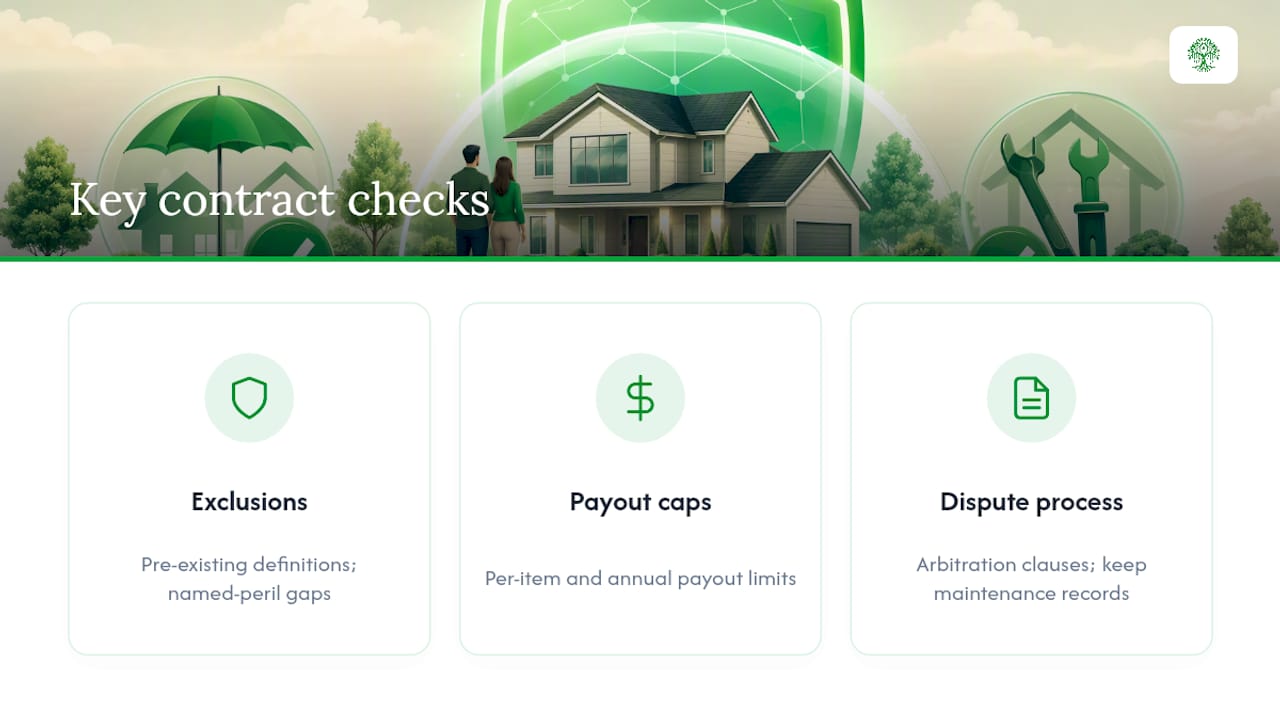
First, find the exclusions list. In a warranty contract, look for how “pre-existing condition” gets defined. Some providers interpret it broadly enough to deny almost any claim on an older system. In an insurance policy, check the named-peril list against your actual risks. If you’re in a flood zone or earthquake-prone area, the absence of that coverage is the whole ballgame.
Second, check the caps. Warranty contracts list per-item and annual maximum payouts, often buried in an appendix rather than the main terms. Insurance policies list coverage limits per category (dwelling, personal property, liability) that may be lower than what it would actually cost to rebuild or replace everything you own.
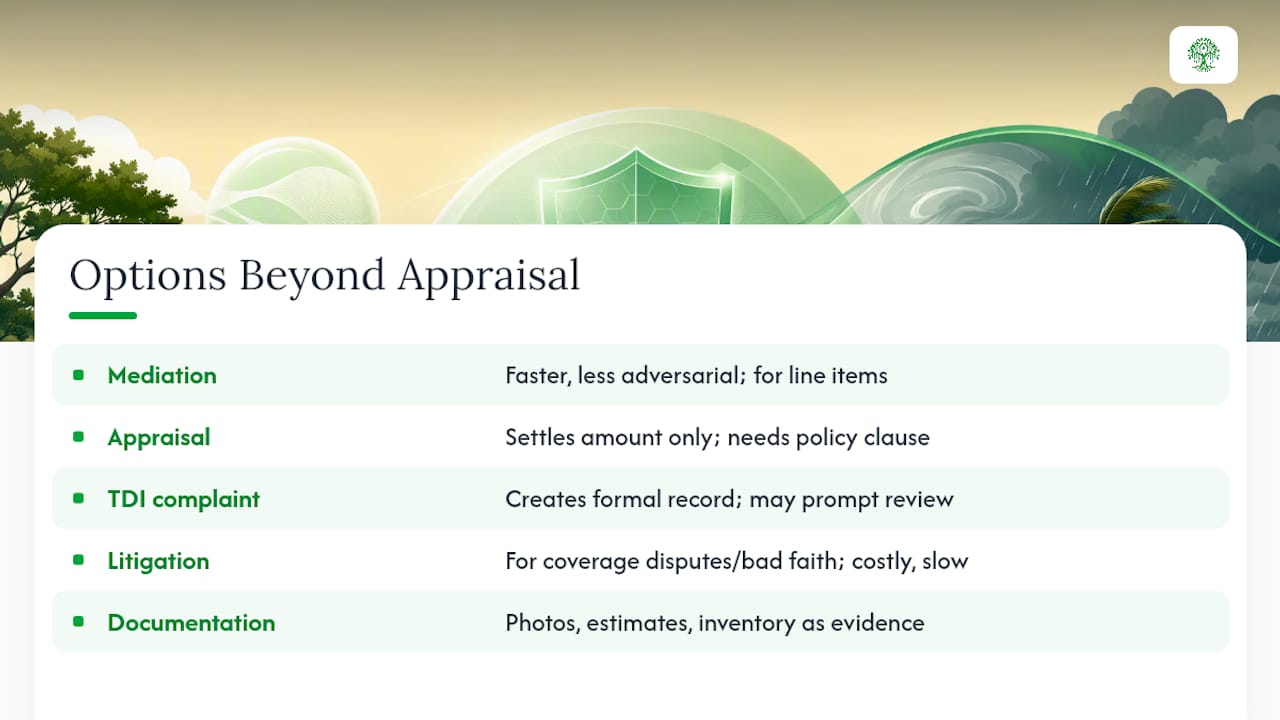
Third, look at the dispute process. The FTC’s guidance on service contracts specifically flags arbitration clauses as something buyers routinely overlook, since they can limit your ability to sue if a claim gets denied unfairly. Documentation matters here too. Keep maintenance records and pre-sale inspection reports on hand, since denied claims frequently trace back to a provider arguing the problem existed before coverage started.
Ficustree’s View: What First-Time Buyers Should Prioritize
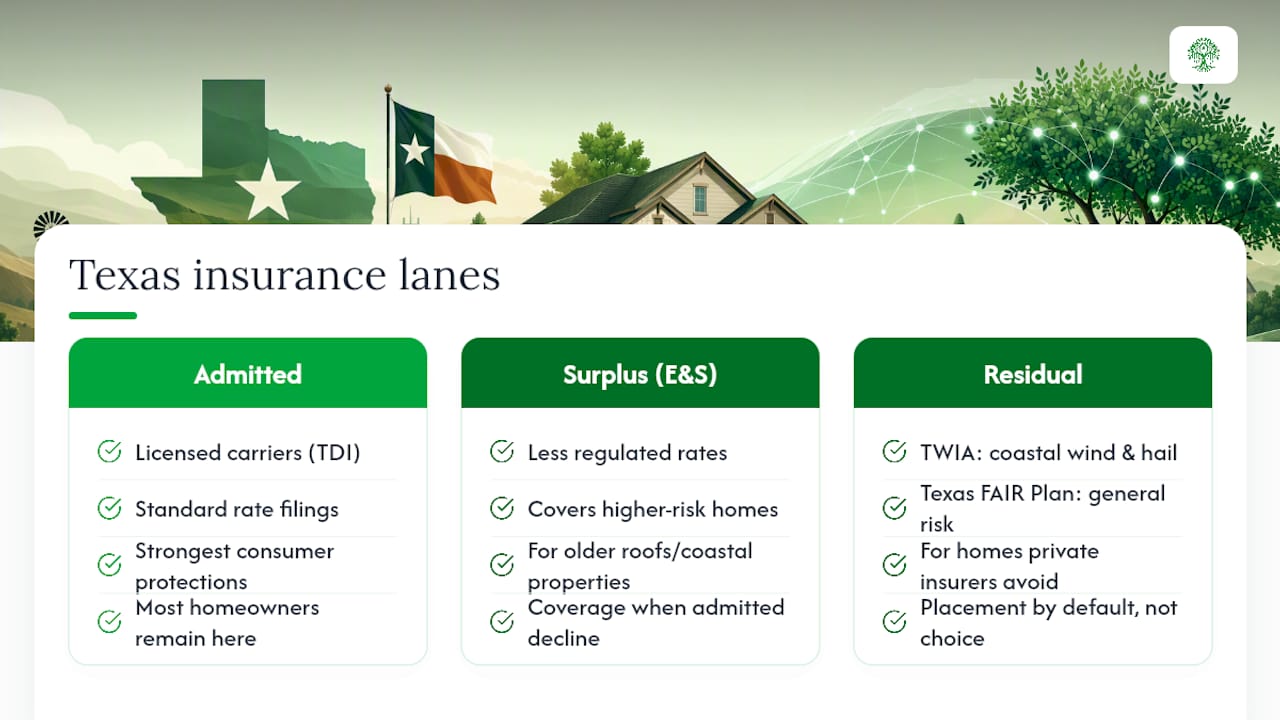
If you’re buying your first home in California or Texas, get homeowners insurance locked in first. It’s not optional, and your lender won’t close without it. A warranty is the second decision, and it only earns its cost if your inspection shows aging systems or if your emergency fund can’t absorb a $4,000 furnace replacement without stress.

This is exactly where inspection strategy and contract negotiation intersect. A strong inspection contingency gives you leverage to ask the seller to either fix aging systems or throw in a warranty at closing, rather than paying for one yourself after the fact. Texas buyers should also know that state regulators explicitly distinguish warranty providers from insurance companies, since licensing and consumer protections differ between the two.
The buyers who navigate this best aren’t the ones who buy every add-on available. They’re the ones who inspect first, then decide what’s actually worth paying for.
— Anand
How Ficustree Helps You Get This Right Before Closing
Deciding between a warranty and extra insurance riders is easier when you’re not doing it alone at 11 p.m. with a stack of PDFs. There are decision-intelligence platforms that walk first-time buyers through affordability, inspection risk, and closing negotiations with the numbers laid out clearly, not buried in fine print.

A fee structure like this means an agent may negotiate repairs or seller-paid warranty coverage into your offer, not just aim to close the sale fast. Run your numbers through the mortgage and affordability tools before you make an offer, and pair it with our inspection secrets guide so you walk into negotiations knowing exactly what you’re buying. If you’re weighing whether you even need a traditional agent for this process, our breakdown of what a listing agent actually does is worth a read first. Booking a consultation can help buyers sort out insurance-versus-warranty math before the closing deadline.
Sources
- Home warranty vs home insurance — NerdWallet
- Warranties and new homes — Federal Trade Commission
- Home warranty vs. home insurance — The Hartford (AARP)
- Home insurance vs home warranty — Experian
FAQ
Is a Home Warranty Better Than Home Insurance?
Neither is “better,” they cover different risks. Insurance protects against sudden disasters and is required by lenders, while a warranty covers gradual mechanical wear and is optional.
What Does Dave Ramsey Say About Home Warranties?
Personal finance guidance in this vein generally treats home warranties skeptically, arguing that building your own emergency fund for repairs often beats paying annual premiums and per-visit service fees for coverage with caps and exclusions.
What Are the Downsides of a Home Warranty?
The main downsides are service-call fees on every visit, annual and per-item payout caps, 30-day waiting periods, and frequent claim denials tied to pre-existing conditions or maintenance disputes.
Who Is the Number One Home Warranty Company in the USA?
There’s no single universally recognized “number one” warranty provider, since rankings shift by region, price, and customer service reviews. Compare contract terms, service-fee amounts, and exclusion language directly rather than relying on a single ranking.
Do I Need Both a Home Warranty and Homeowners Insurance?
You need homeowners insurance because your lender requires it and it covers catastrophic losses insurance alone protects against. A warranty is worth adding only if your systems are aging and your budget can’t absorb a surprise repair bill.